



Is Botox safe? It’s one of the first questions almost everyone asks before they even think about booking. That’s a good thing, Botox and Dysport are medical treatments, and it’s important to understand what they do, how they’re used, and what to expect before your first appointment.
What Does Botox Do?
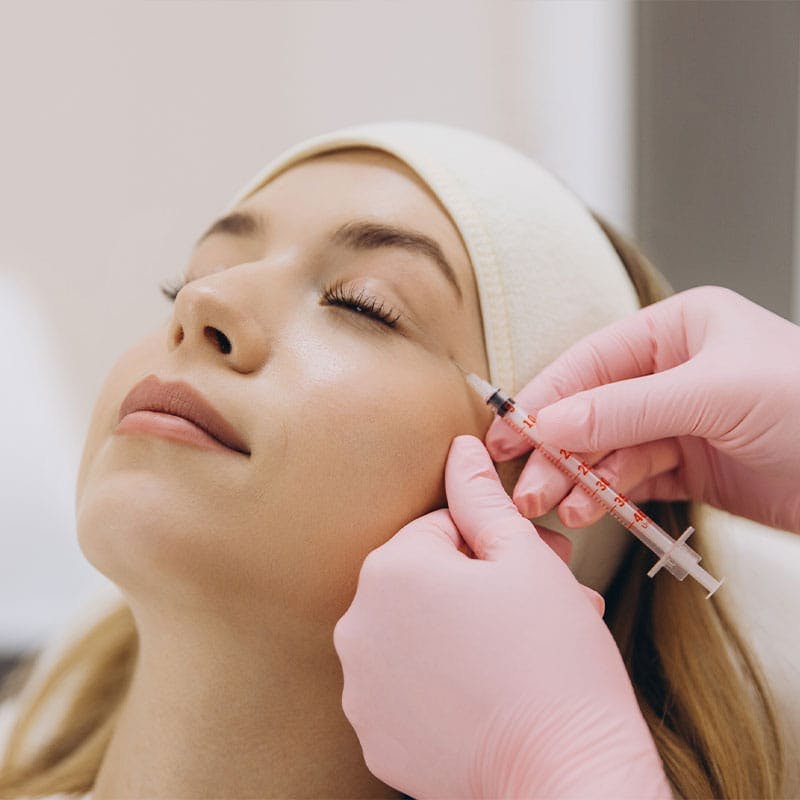
Botox (and Dysport) are neuromodulators. They work by relaxing specific muscles that cause expression lines, like frown lines, crow’s feet, or forehead wrinkles. When those muscles soften, the skin over them looks smoother and less creased.
Used correctly, the goal is not to make you look “frozen,” but to soften lines while keeping your natural expressions. That balance comes down to the right dose, the right placement, and an experienced injector.
Why Safety Depends on Your Injector
Botox and Dysport have been used for years in both medical and cosmetic settings, and they have a strong safety record when injected by trained professionals. The key word there is “trained.”
A safe treatment should include:
- A medical history review
- A conversation about your goals and concerns
- A clear explanation of what will be done and why
This is why injector experience, credentials, and technique matter just as much as the product itself.
Common Side Effects vs Red Flags
Most people experience mild, short-lived side effects after Botox or Dysport. These can include a little redness, swelling, or pinpoint bruising at the injection sites. These usually fade on their own within a few hours to a few days.
True complications are rare but can happen, especially if injections are done by someone who is undertrained or rushing. Things like heavy brows, uneven results, or droopy lids are usually related to placement or dose. Choosing a skilled injector and having an honest pre-treatment conversation significantly reduces these risks.
What to Tell Your Provider Before Treatment
Being open with your injector helps keep you safe and improves your results. Before your first treatment, be sure to mention:
- Any medical conditions you have
- Any medications, supplements, or blood thinners you’re taking
- Whether you’re pregnant, breastfeeding, or planning to be
- Any previous experiences you’ve had with Botox, Dysport, or fillers
This information helps your provider decide whether you’re a good candidate and how to tailor your treatment.
What Your First Appointment Should Feel Like
Your first visit should never feel rushed. You should have time to ask questions, talk about what bothers you, and share what kind of look you want (super subtle vs more dramatic). A good injector will examine your facial expressions, point out which muscles are involved, and explain why they recommend certain areas and doses.
You should leave that first appointment feeling informed, heard, and clear on what was done, what to expect over the next few days, and when to come back for a follow-up if needed.
Why We Start With a Complimentary Consultation
Every face is different, and so is every comfort level. That’s why we always do a complimentary consultation before treating any new Botox or Dysport patient. This gives you a chance to:
- Share your goals and worries
- Learn which areas are best to treat (and which to leave alone)
- Understand expected results, timing, and maintenance
There’s no pressure to decide on the spot. The goal is to help you understand your options and feel confident about your choice.
How to Know if Botox is Right for You
Botox and Dysport can be great options if you’re bothered by frown lines, forehead lines, crow’s feet, or other expression lines and want a non-surgical way to soften them. They can also be used for things like jaw clenching (masseter Botox) or excessive sweating, depending on your needs.
If you’re curious but still on the fence, the easiest next step is to schedule a complimentary consultation. You can ask every question on your mind, get personalized recommendations, and decide—at your own pace—whether Botox or Dysport feels right for you.